The best time to secure life insurance is before health, age, or crisis changes options, because delays can raise costs or limit availability.
For young families, coverage can help protect the home, education goals, childcare, and daily bills when one income disappears after a loss.
A 2026 survey showed business protection stayed owners' top priority, yet many still overlooked the financial and operational risk tied to owners and key employees.
Cost often is not the main hurdle; waiting is, and a sudden loss can strain revenue, staffing, family decisions, and succession planning.
The current awareness month serves as a practical reminder: review coverage before major life or business changes, so protection is ready if plans shift.
Author: Ronald Williams Jr
-
The Best Time to Buy Life Insurance
-
Life Insurance Coverage, Cost and Benefits
US insurer sold term and indexed universal life coverage. Term pricing ran above avg. for most buyers but better at 60 and 70.
US term options included 10, 15, 20, and 30-yr periods, renewable to age 95. Minimum coverage was $100K, with quotes online but purchase through agents.
Included living benefits let policyholders access death-benefit funds for eligible critical, chronic, or terminal illness. Other riders covered children, disability waivers, guaranteed insurability, and accidents.
Permanent policies looked less competitive, with lower marks for illustration reliability, internal charges, and early cash-value access. US indexed options tied growth to market indexes.
Strength stood out: complaints were under half the industry avg., and the insurer held an A+ rating. Buyers also faced a shorter term conversion window. -
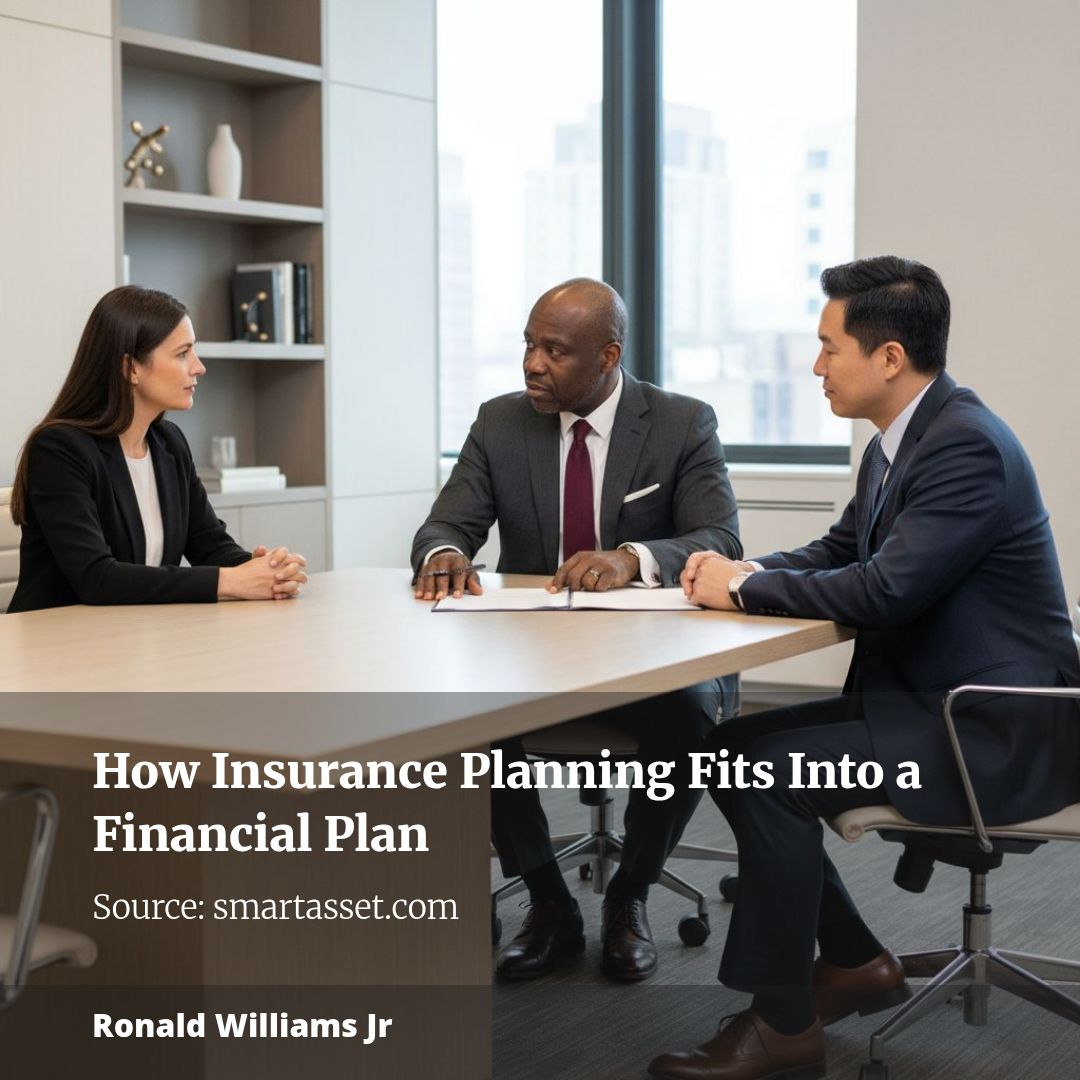
How Insurance Planning Fits Into a Financial Plan
When it comes to building and protecting your wealth, insurance planning is a foundation that supports every other part of your financial life. I see insurance as more than just paperwork—it’s real protection for your family, your home, and your future. The right coverage strengthens your estate, retirement, tax planning, and investment strategies. From life insurance with living benefits, to making sure your auto, homeowners, liability, disability, health, and long-term care needs are met, every piece matters. The key is smart budgeting and knowing what you’re actually paying for. That’s why I focus on education first, shopping the market to fit your needs, and making sure you always understand your options. At WMS Insurance & Financial Services, our mission is simple: coverage that brings peace of mind, not confusion. We got you covered.
Continue to full article -
Happy Labor Day!
Labor Day in the United States celebrates the contributions of workers everywhere, while also unofficially marking the final big summer weekend before fall takes over.
It’s known for backyard barbecues, road trips, and that classic tradition of buying things you didn’t know you needed because “it’s on sale.”
Beaches, parks, and grills reach peak activity as everyone tries to squeeze every last drop of summer fun out of the long weekend.
Happy Labor Day! Wishing you a fun, easygoing weekend filled with good vibes, great food, and absolutely no thoughts about Monday. -
Property Insurance Stays Competitive in 2026
I’ve always believed insurance should bring peace of mind, not confusion—and that’s especially true when it comes to protecting your property. Right now, global commercial property buyers are finding themselves in a competitive environment that’s likely to stick around through the end of 2026. This is thanks to insurers having strong balance sheets and plenty of capital, which keeps competition healthy and options open for clients.
Premium growth in the commercial property/casualty space has been nearly flat in the first half of this year—the lowest we’ve seen since 2017. For many global buyers, that means easier conditions and, in a lot of cases, more affordable coverage. In fact, commercial property rates are projected to dip by about 4% on average through 2026, especially for favorable risks outside catastrophe-prone regions.
We’re also seeing general liability improve, with lower-hazard businesses potentially facing flat or even reduced pricing. Of course, higher-risk sectors are still seeing some increases and stricter policy language, while commercial auto and umbrella/excess liability remain the most challenging areas. The good news? Cyber pricing has stabilized, and directors-and-officers coverage is still competitive—giving buyers a mix of renewal options.
At WMS Insurance & Financial Services, we keep a close eye on these trends so you can make smart, informed choices. My job is to educate, shop the market, and position you and your family for long-term stability—because making sure you’re covered the right way matters most.
-
Optimize your relationship with your insurance provider
To optimize your relationship with your insurance provider, consider these strategies: regularly review and update your coverage based on life changes, maintain open communication about significant changes, and report claims promptly. Bundling policies can lead to discounts, while shopping around for competitive rates ensures you get the best deal. Understand your policy's terms to avoid misunderstandings, build a good rapport with your agent, and invest in loss prevention measures. Regularly reassess your insurance needs to stay adequately protected.
Continue to full article -
Infinite Banking, Explained
Infinite banking uses permanent life insurance, usually whole life, as a personal credit line. After enough cash value builds, policyholders can borrow against it.
Supporters add extra money to boost cash value growth, then use policy loans for major expenses instead of banks, savings, or traditional underwriting.
Potential benefits include tax-advantaged cash value growth, tax-free policy loans, guaranteed whole life returns, and flexible repayment timing once enough value accumulates.
Key trade-offs: whole life can cost far more than term, cash value often builds slowly, overfunding strains budgets, and unpaid loans can reduce benefits.
For many households, term coverage, retirement investing, and an emergency fund may come first; policyholders should also consult independent insurance and tax professionals. -
What Is Commercial Insurance?
Commercial insurance protects businesses from financial losses due to accidents, injuries, natural disasters, lawsuits, and cyberattacks. Common types include general liability, professional liability, workers’ compensation, commercial property, commercial auto, product liability, business interruption, data breach insurance, and home-based business insurance. Bundled policies like business owner’s policies offer combined coverage at lower rates. Costs vary by industry, location, and risk factors.
Continue to full article -
Car insurance rates by county: The $3,805 gap that decides your premium
Car insurance rates vary widely by county due to local factors like traffic density, accident frequency, theft rates, uninsured drivers, and weather risks. The largest annual cost gap is $3,805, with the highest rates in Louisiana and Florida and the lowest in rural Ohio. Urban and coastal counties tend to have higher premiums. Comparing multiple insurers and tailoring coverage to local risks can help reduce costs. Moving counties often changes rates significantly.
Continue to full article -
Ways to Save on Car Insurance
US drivers saw premiums climb in recent years despite a slight recent dip, pushing many households to revisit coverage, compare options, and look for discounts.
One common savings move is switching insurers; many shoppers changed carriers to cut premiums, and those who switched reported median annual savings of ~$0.5K.
Policy reviews can uncover better fits after moves, job changes, or retirement, while raising a deductible from $0.5K to $1K may lower premiums.
Other savings options included dropping collision and comprehensive on older cars, driving fewer miles, bundling policies carefully, and paying minor repair costs yourself.
Drivers could also ask about defensive-driving discounts, independent agents, dividend-style policies, and monitoring programs, while confirming privacy terms and keeping strong liability protection.